
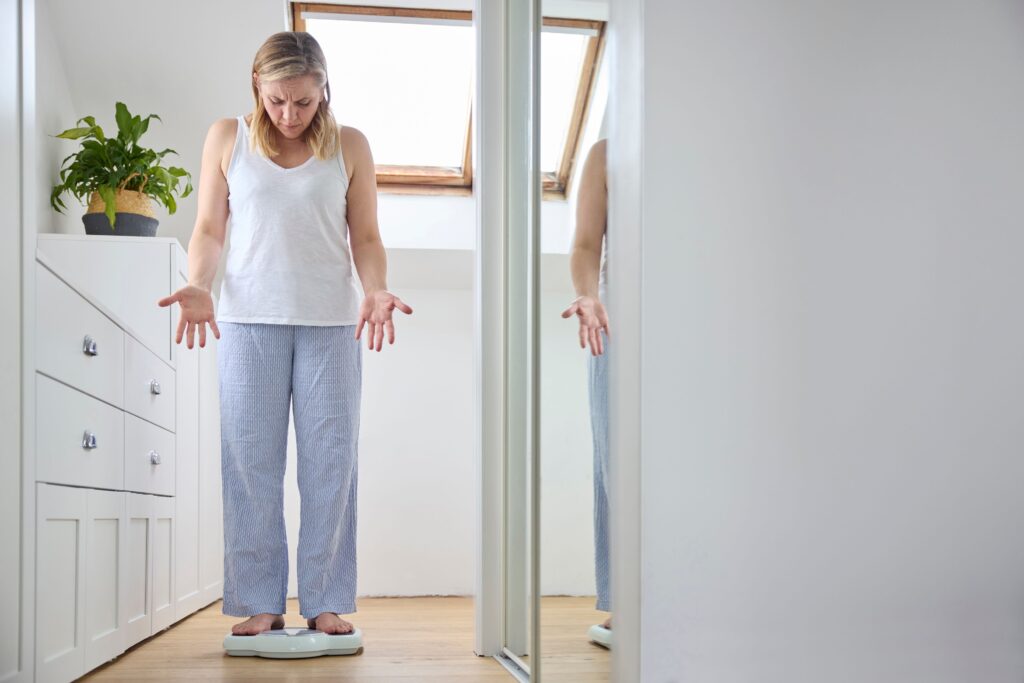
Winter is just around the corner, and many people celebrate this time of year with cozy foods and tasty treats that often contribute to weight gain. Unfortunately, if you have sleep apnea, putting on a few pounds can potentially exacerbate your condition.
Losing weight can potentially help you get better quality rest at night, but your disorder can also make it harder to lose weight. Continue reading to learn about the connection between body weight and sleep apnea and a few tips for staying healthier.
What Are Risk Factors for Sleep Apnea?
Obstructive sleep apnea is the most common type, and occurs when your airways are blocked, which interrupts your inhalations and exhalations while you snooze. Although potentially anyone can develop this condition, you may be more likely to have it if you:
- Are a male.
- Are 60 years or older.
- Have enlarged tonsils.
- Have loose or excessive tissues in your neck and throat.
- Smoke regularly.
- Have other medical conditions, like type 2 diabetes.
Those who are overweight are also more likely to experience interrupted breathing at night that can impact their oral, overall, emotional, and mental well-being.
How Does Sleep Apnea Contribute to Weight Gain?
Unfortunately, putting on additional weight can worsen your sleep apnea symptoms, which in turn makes it harder to get back into shape. This is because your body requires sufficient rest to regulate various hormones, including the ones responsible for hunger and satiety (feeling full). For example, your nightly disorder can increase ghrelin production, which is the hormone that stimulates appetite. At the same time, leptin, which is responsible for letting the body know when it’s full, decreases.
Furthermore, interrupted rest is also associated with insulin resistance because your system doesn’t use sugar as effectively as it should. Any unused blood sugar is stored as fat in the body, contributing to weight gain.
How Can I Reduce Sleep Apnea Symptoms?
It may seem like your sleep apnea and weight gain are working together in a vicious cycle to harm your health, but thankfully, there are things you can do to improve your condition, such as:
- Pursue sleep apnea treatment. Whether you require an oral appliance to help keep your airways open or a CPAP (Continuous Positive Airway Pressure) machine to prevent interrupted breathing, treating your condition can help improve your metabolism to burn calories more effectively.
- Exercise regularly. Completing about 3 to 4 moderate-intensity workouts every week can help reduce symptoms while simultaneously supporting a healthier weight.
- Eat wholesome foods. Steer clear of fad diets that might provide short-term weight loss results but can cause longer-term consequences. You might consult a nutritionist regarding a recommended diet tailored to your unique circumstances.
If you’re unsure whether your sleep apnea is contributing to weight gain or vice versa, you can learn more about treating your condition by scheduling a consultation with your dentist!
Meet the Author
Dr. David Drummond has decades of experience helping patients improve their lives by addressing their sleep disorders. He earned his advanced dental degree from Northwestern University Dental School in Chicago, before completing additional training in multiple topics, including oral surgery, root canals, children’s dentistry, prosthodontics, and sleep dentistry. Today, he can help assess your condition and provide a customized solution to reduce symptoms. You can request an appointment on the website or call (580) 355-0344.